Learn & play
How to play Who Am I?
Everyone can see your hidden name except you. Here is how to turn that simple idea into a game that keeps the whole group involved.
The idea in one minute
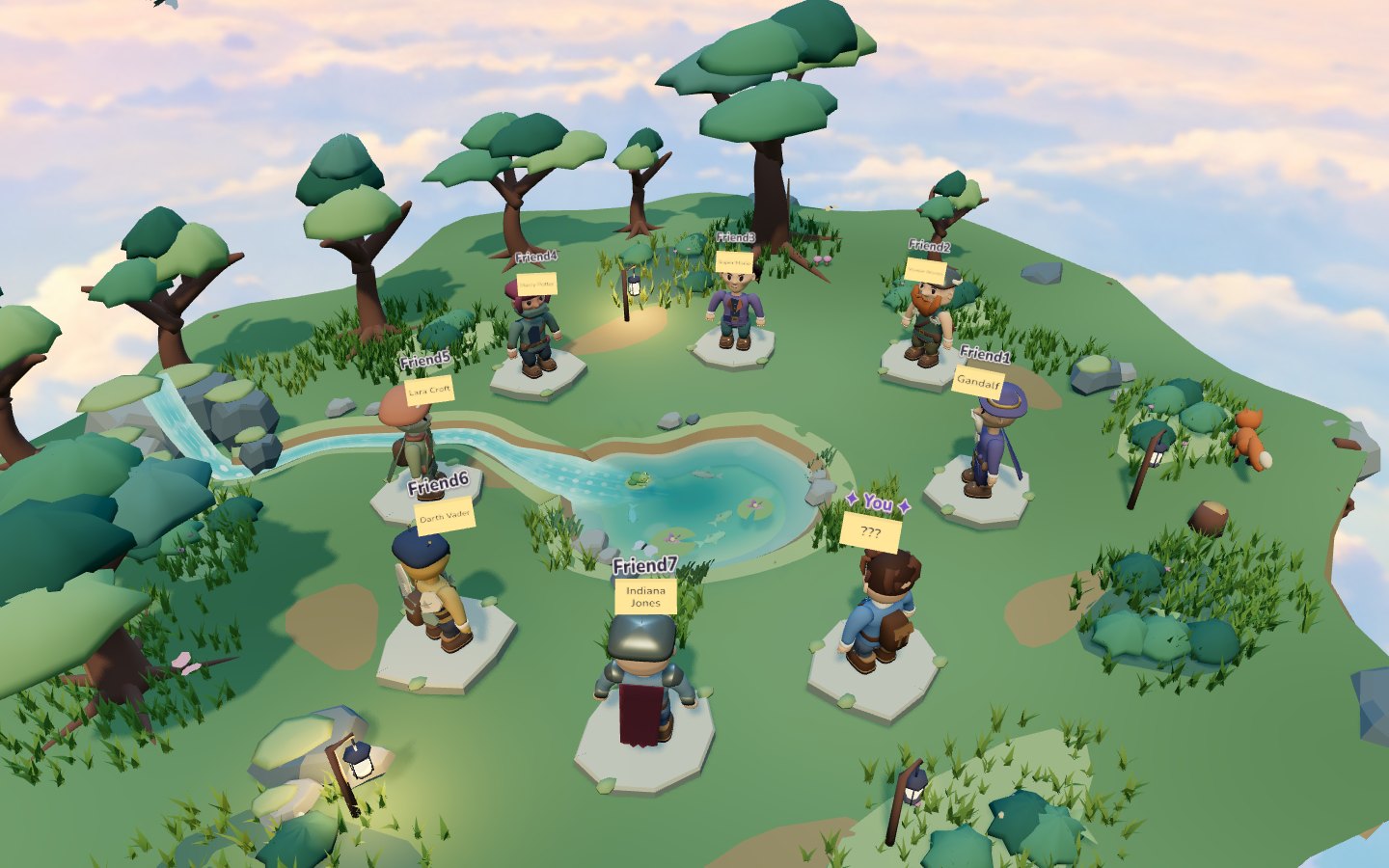
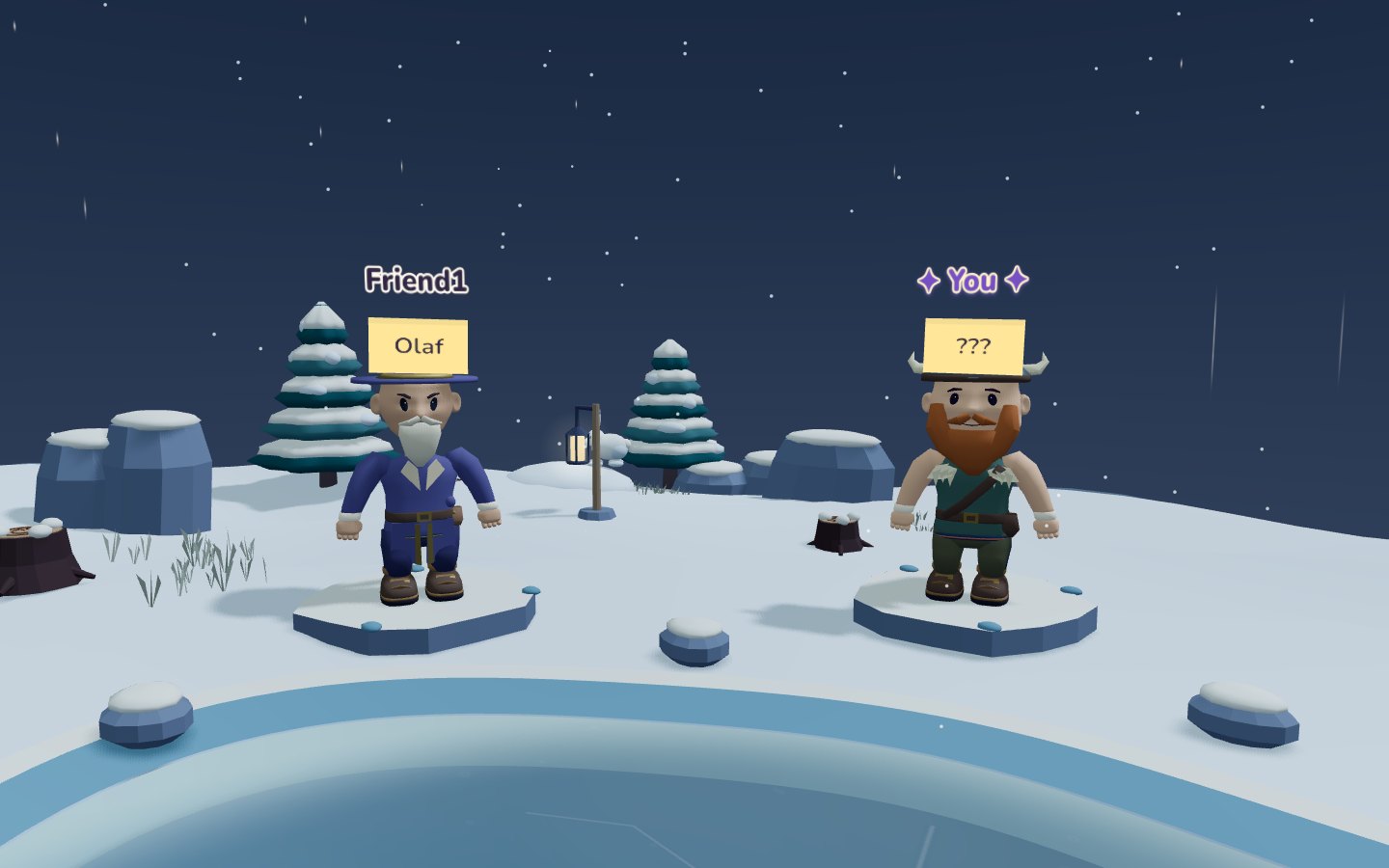
In Who Am I?, each player receives a hidden identity: a famous person, a fictional character, an animal or even a place. You can see the other players' names, but you cannot see your own. Ask questions that the group can answer with yes or no, then use those answers to work out the name you have been given.
The entertainment comes from the gap between what everybody else knows and what you think you know. You might ask whether you can fly while the others are looking at a penguin. Their laughter is not a clue you are entitled to demand; the answer to your question is what counts.
Prepare names everyone knows
For a physical game, gather paper, pens and a comfortable way to hold each name where others can see it. For an online game, each participant needs access to the room. The basic game works with two or more people; PostitGuess rooms are designed for 2–8 players.
Decide whether names can come from any category or one agreed theme. Animals make an approachable first round. Mixing countries with fictional people is entertaining, but means players must first discover what kind of thing they are. Choose difficulty for the recipient, rather than showing off how obscure your knowledge is.
Write a name for another player and keep it hidden from them. A spelling mistake that creates a different identity is not a clever puzzle. In a family group, explain the allowed categories before distributing names. Our name and theme ideas give you small sets you can adjust to your audience.

Ask questions with a clear answer
Start with a broad distinction: “Am I real?”, “Am I a person?” or “Am I an animal?” Once a category is established, ask about a useful feature. For a fictional character, “Do I come from a film?” is easier to answer consistently than “Am I popular?” Popular with whom?
Avoid asking “What colour am I?” because it invites an open answer. Change it to “Am I usually shown in green?” Do not pack several conditions into one question: if “Am I a real actor from Britain?” receives a no, you do not know which part was wrong. Separate the conditions and remember each result.
Agree when a turn ends
Two common house rules work well. In the first, a player keeps asking while the answer is yes and passes after a no. In the second, everybody gets one question per turn, whatever the answer. The second is often easier for beginners because no one stays in the spotlight for a long run.
Neither is a universal official rule. Decide before playing whether an incorrect direct guess ends a turn and how you handle an answer the group cannot settle. A practical agreement is to let an unclear question be rephrased without penalty. The party rules guide compares these options and their effect on the pace.
An example: finding a fictional character
Imagine your hidden name is Harry Potter. You ask whether you are a real person: no. On your next opportunity you establish that you are fictional, appear in books, and have magical abilities. You now have a promising category without needing to guess every character you remember.
“Am I a student?” narrows that category again. “Do I use a wand?” makes the Harry Potter world likely, but does not yet identify one character. A final distinguishing question about a lightning-shaped scar can separate Harry from other students. You can then make your guess with a reason, rather than simply hoping.
Winning without leaving everyone else behind
Many groups celebrate the first correct guess and keep playing until everybody finds their identity. Players who finish can still answer questions, so they stay involved. For a short party break, agree on a stopping time and reveal remaining names together; never surprise someone with a new rule halfway through.
If one name proves unfamiliar, swap it or offer a small agreed hint. A round that nobody can solve is usually a name-choice problem, not evidence that the player is bad at guessing. Learning the rhythm together is more useful than insisting on a difficult first attempt.
Playing in PostitGuess
Create or join a browser room, choose avatars and wait for your friends in the lobby. Manual lets players choose names for one another; Theme assigns names from a selected category; Chaos mixes categories. For remote play, use a separate voice call to ask and answer, or play together in the same room.
Follow the active-player indicator, enter your guess in the game and use the turn control when it is time to pass. Spoken yes-or-no answers do not automatically move the turn. The game records guesses and results while the group supplies the conversation. See the online setup guide if you are organizing your first remote game.