Learn & play
The best questions to ask in Who Am I?
A useful question changes what you ask next. Build a short route from a broad category to a confident guess, instead of naming random celebrities.
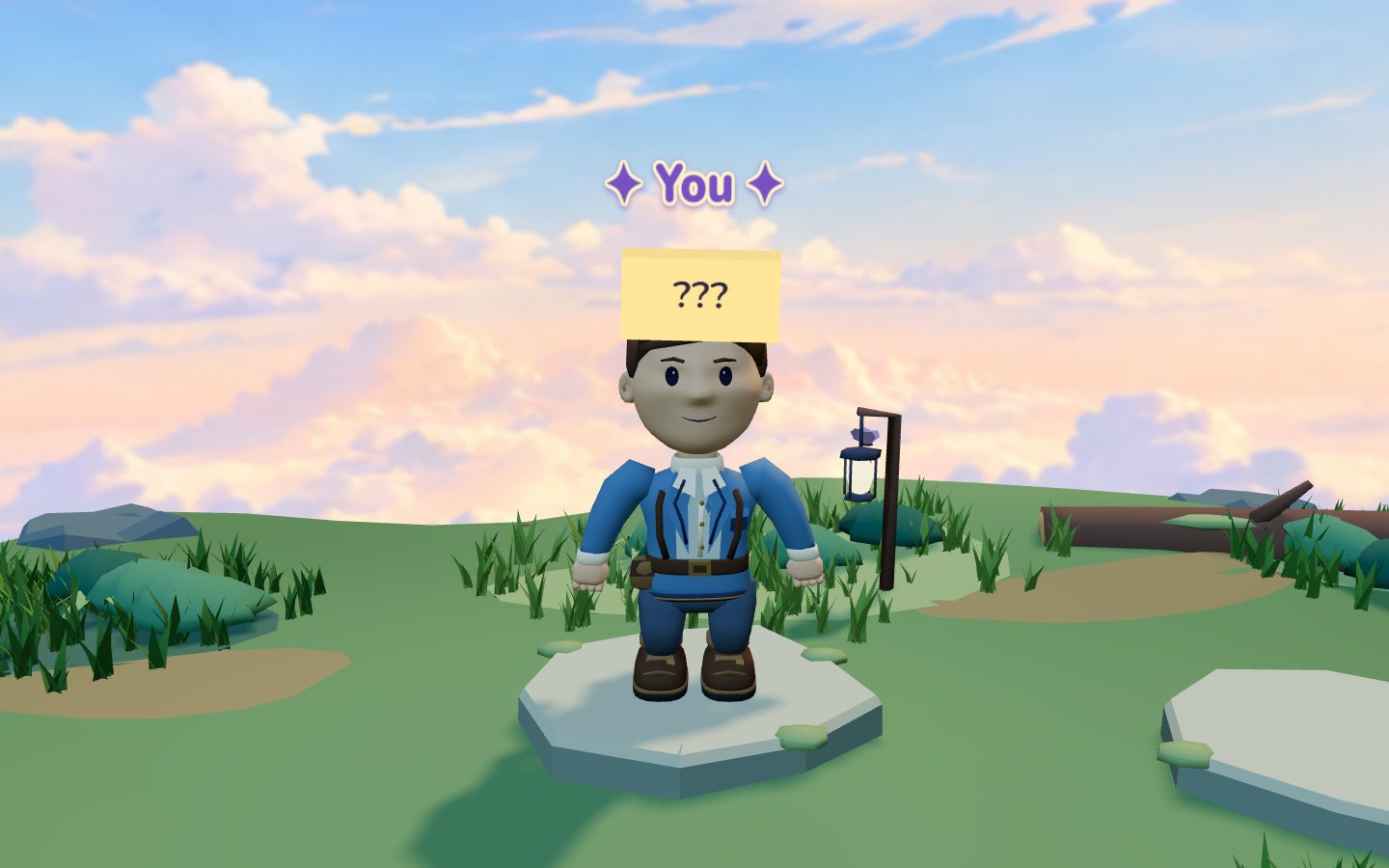
First find out what you are
The best opening question depends on the names allowed in your game. In a celebrities-only round, “Am I a person?” tells you nothing because everyone is. In a mixed round, that same question can remove animals, countries and cities at once. Listen to the setup before choosing an opener.
A good general sequence is category, origin or role, distinctive feature, then exact name. You do not need to follow it mechanically. If an answer makes a candidate very likely, test the feature that separates it from the alternatives. The goal is to change your next question, not to collect a long checklist of unrelated facts.
Useful broad questions
- “Am I a person?” separates people and human characters from places, animals and objects, subject to your agreed definition.
- “Do I exist in the real world?” helps distinguish fictional identities from real people or places, without assuming you are human.
- “Am I an animal?” gives you a fresh route if you have ruled out people.
- “Am I a place?” stops you wasting questions about careers when your identity could be Paris.
These are starting points, not compulsory questions. If the group says you are a fictional animal, keep both facts. Do not erase an answer because the category is more complicated than expected. A talking bear can be fictional and an animal at the same time.
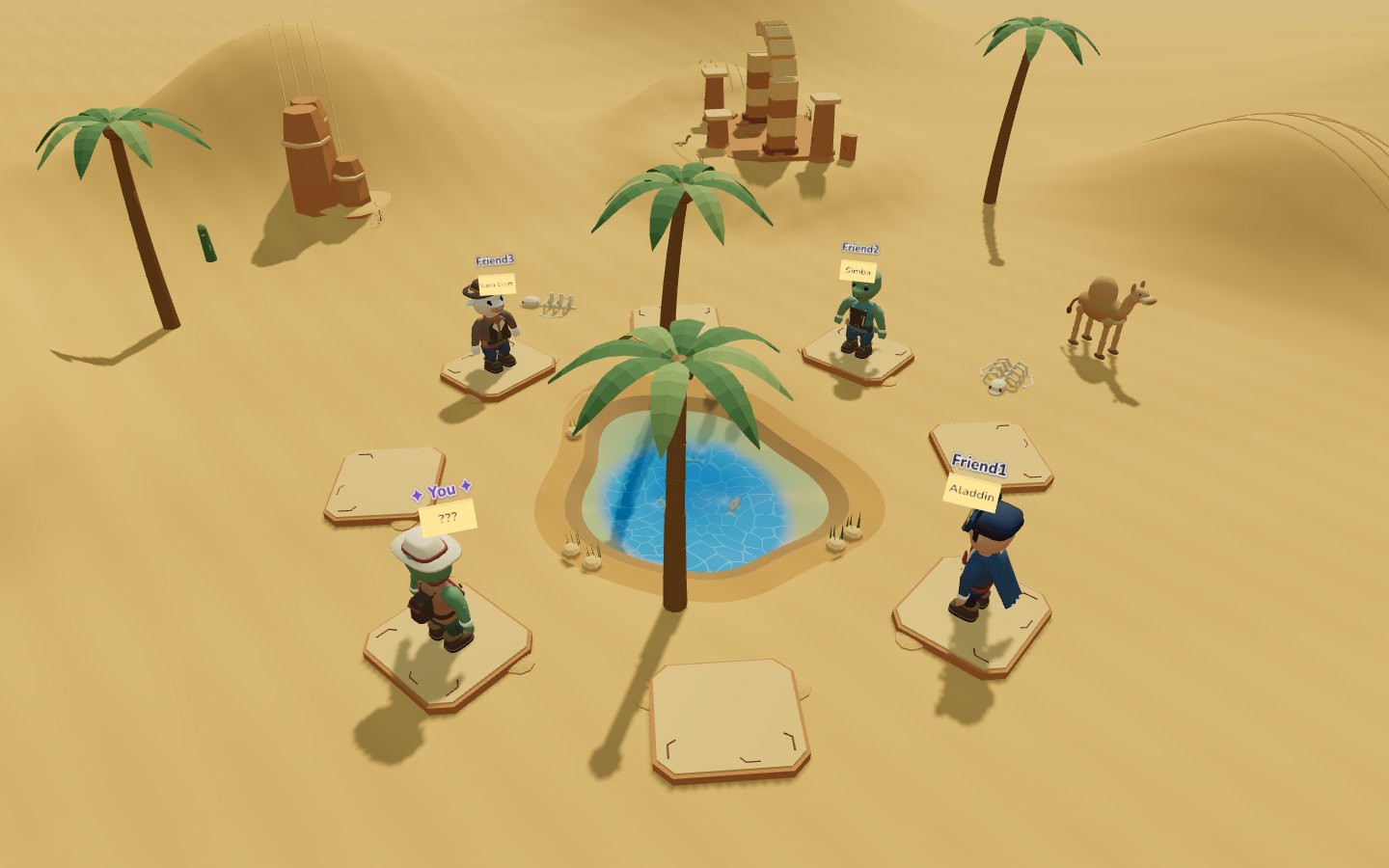
Questions for real people
Once you know you are a real person, ask why people recognize you. “Am I known for music?”, “Am I known for sport?” and “Am I associated with science?” divide the field more usefully than asking for a nationality first when you do not yet know the person's work.
Within music, try “Am I mainly known as a singer?” and “Do I perform as a solo artist?” Within sport, ask “Is my sport played with a ball?” and then “Is it a team sport?” With historical figures, a question about an era or a widely known achievement can help more than whether they wore a particular colour.
Avoid relying on debatable personal details. “Am I successful?” is subjective. “Have I been a head of government?” refers to something the group can check in its shared knowledge. If respondents disagree, rephrase rather than treating the loudest answer as reliable information.
Questions for fictional characters
Ask about the world they belong to: “Do I appear in a video game?”, “Am I from an animated film?” or “Am I associated with magic?” Do not assume one yes excludes another medium; many characters appear in books, films and games.
Next choose a recognizable role or feature: “Am I usually a hero?”, “Do I wear a mask?”, “Do I have a regular animal companion?” Ask about the familiar version everyone agreed to use. A question about one obscure adaptation can produce an honest answer that conflicts with what you remember from another version.
For example, knowing you are a video-game character associated with Nintendo still leaves several candidates. A question about being an Italian plumber separates Mario from Pikachu far more clearly than asking whether you are famous. That is a useful final step before guessing a name.
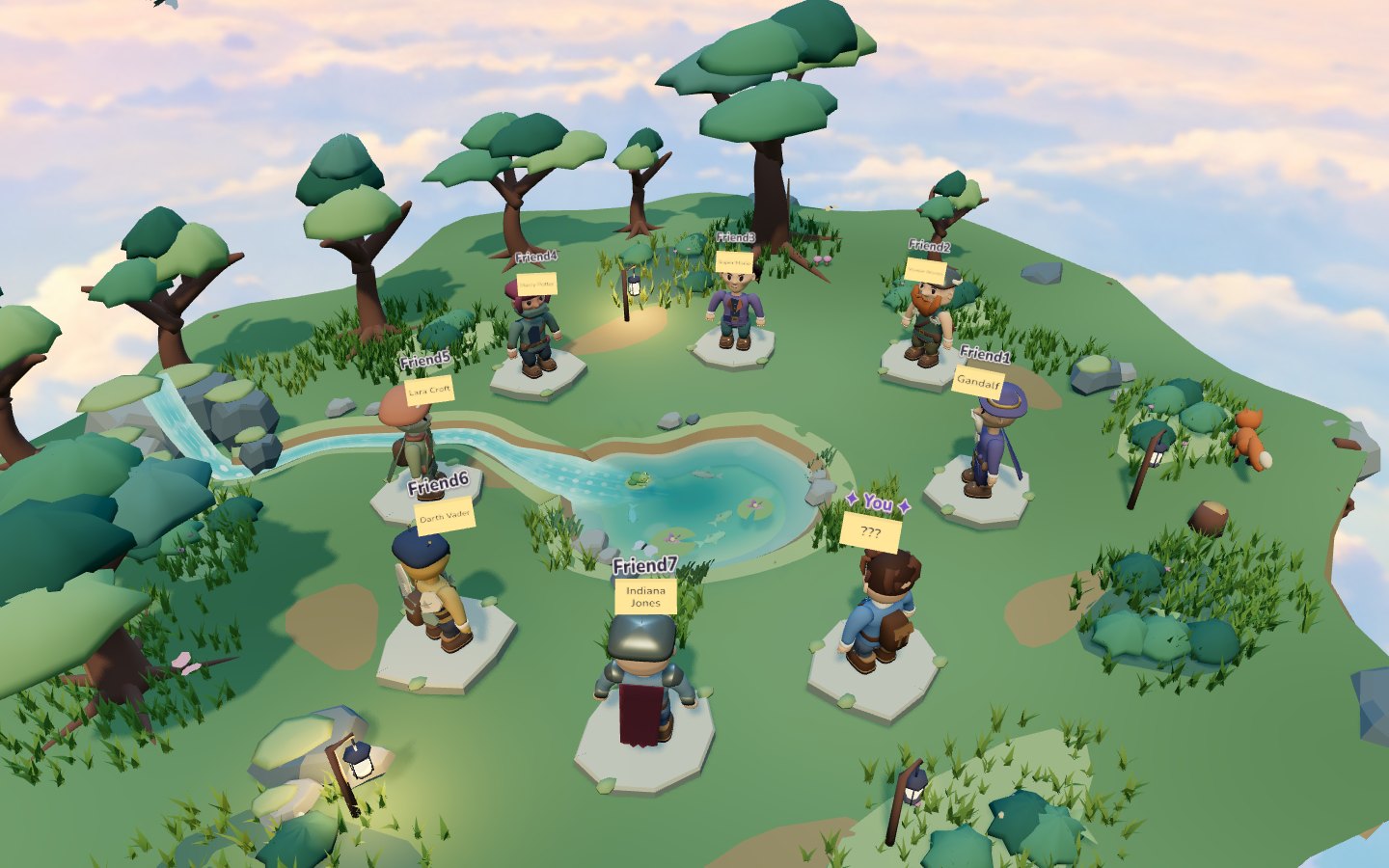
Questions for animals and places
For animals, begin with habitat or broad biology: “Do I normally live in water?”, “Am I a mammal?” or “Can I fly?” Then move to a visible feature such as a long neck, shell or stripes. A penguin is a bird that cannot fly; do not let everyday assumptions replace the actual answers.
For places, establish “Am I a country?” before asking continent questions. A city and a country need different follow-ups. Once you have Europe and a city, ask about a landmark, capital status or a river only if the group knows enough geography to answer. “Is French spoken here?” is less precise than “Am I the capital of France?” when you are close to a specific answer.
Turn weak questions into useful ones
“Am I cool?” becomes “Am I usually presented as a hero?” “Am I very old?” becomes “Was I alive before the twentieth century?” “Am I Harry Potter?” is a guess; “Am I a student who uses magic?” is a category test. Each revision makes the answer easier to interpret.
An early exact guess is not forbidden, but it normally rules out just one name. Save it for when several independent clues point in the same direction. If you get stuck, review what is certain before adding more questions. Our strategy guide explains how to keep that answer trail clear.
Make the questions fit your group
A good question is one your friends can answer. Children may know animal features better than historical dates. A film-loving group may enjoy questions about a character's world. In a mixed group, agree on common references using these theme examples rather than turning the game into a test of specialist knowledge.
Give the whole group time to agree before you record an answer. A brief pause is better than correcting three contradictory clues later. The funniest discoveries often come from a clear broad question that leads you somewhere completely unexpected.