Learn & play
Who Am I? name ideas and themes
The funniest name is one your friend can eventually solve. Use these small sets to pick a theme that fits the people playing.
Pick a theme before picking names
A good Who Am I? identity is recognizable to the person receiving it and has a few features their friends can answer questions about. “Dolphin” gives you habitat and behaviour. An obscure background character from one episode gives you a long wait followed by an explanation.
Choose a shared theme when players need an easier starting point. Mix themes once everybody understands that the hidden identity might be a place or animal rather than a person. The examples below are small starting sets, not an exhaustive list or a promise that every name suits every age group.
Celebrities and people from sport
For a music-loving group, try Taylor Swift, Beyoncé and Ed Sheeran. The useful questions concern music, singing and whether the person normally performs alone. Avoid starting with very specific personal facts that only one fan can answer reliably.
For sport, Lionel Messi, Serena Williams and Usain Bolt offer clear contrasts: football, tennis and sprinting. A question about team versus individual competition becomes useful quickly. If the group follows a different sport, choose figures they actually recognize rather than importing a list chosen for another audience.
Superheroes and film or television characters
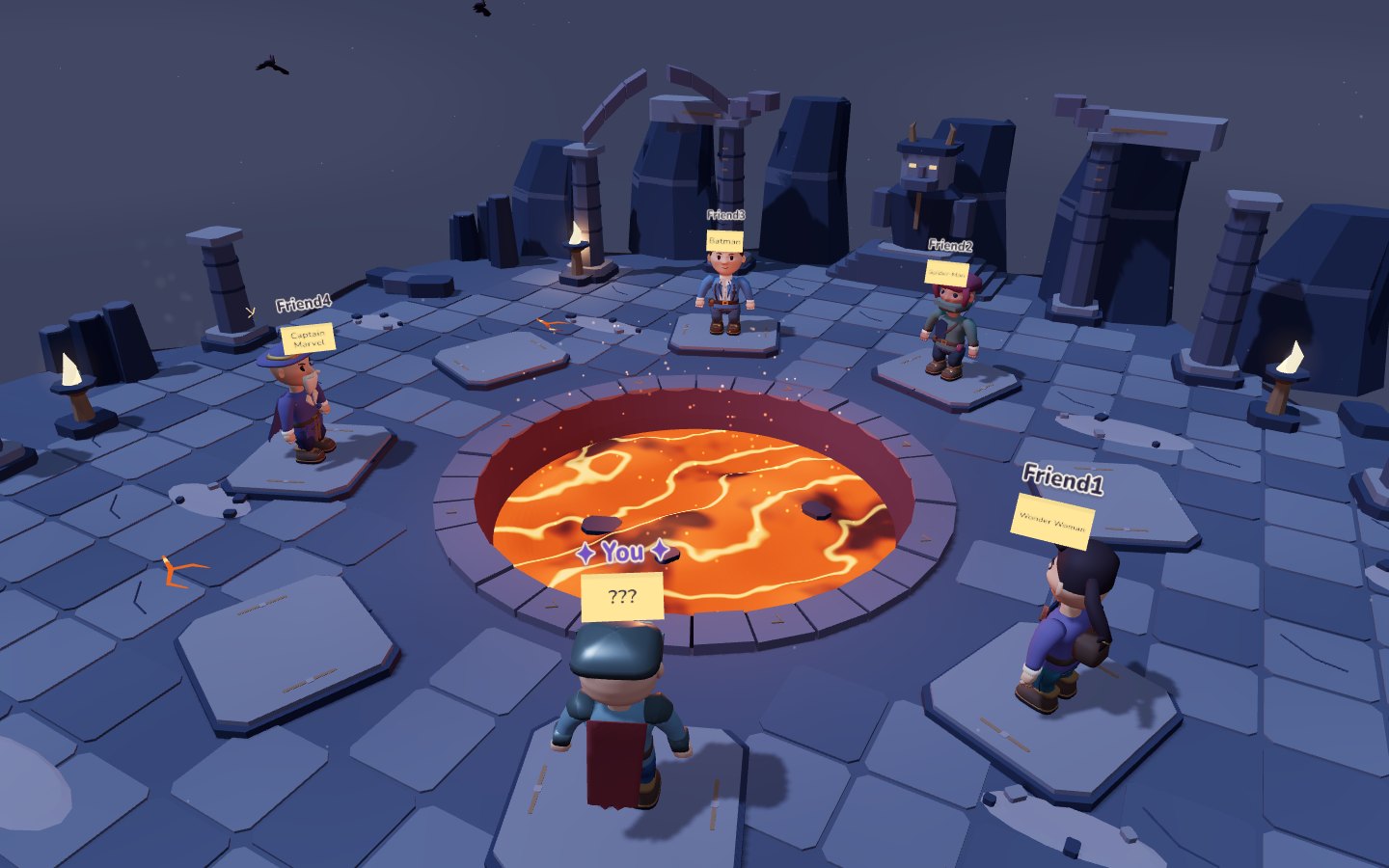
Batman, Spider-Man and Wonder Woman make a compact superhero set. Respondents can distinguish masks, powers and equipment, but should agree to use the familiar version of each character. Debates about a rare comic storyline are usually less entertaining than the guess itself.
Harry Potter, Darth Vader and Sherlock Holmes work for a broadly familiar fiction round. Each offers recognizable traits and a distinct world. Remember that some identities span books, films and television; a yes to appearing in a film does not mean the character originated there.
Video games and other fictional characters
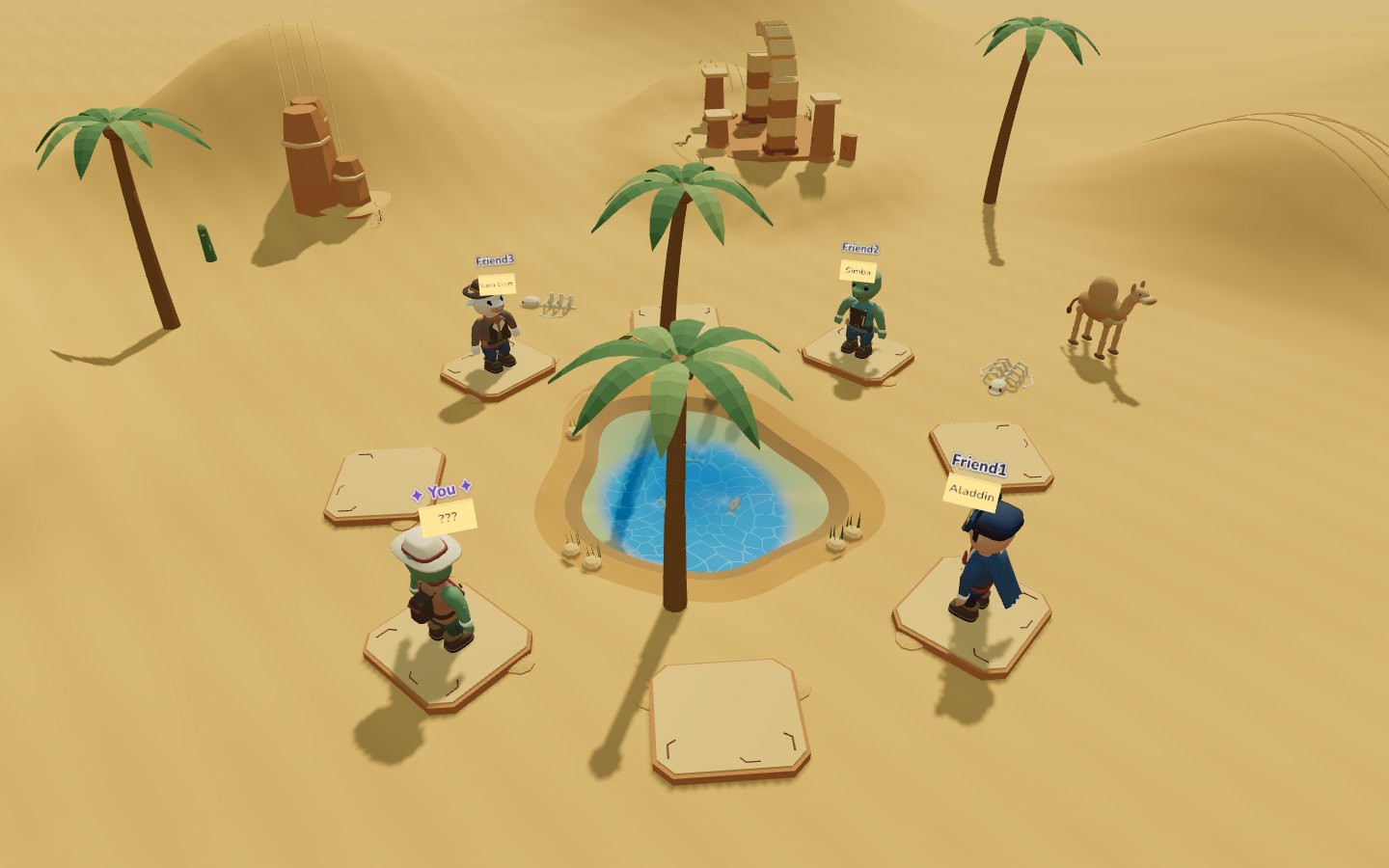
Mario, Pikachu and Lara Croft give a game-playing group very different possibilities. Ask about their worlds or roles before using visual details. For children who know only one of those names, use a smaller shared pool rather than assuming that all popular games are equally familiar.
For a wider fictional-character category, consider Peter Pan, Winnie the Pooh and Sherlock Holmes. The overlap with the film category is normal: themes organize recognizable names, not mutually exclusive definitions. Tell the group whether you are mixing all fiction or restricting the round to a particular medium.
Animals for an approachable round
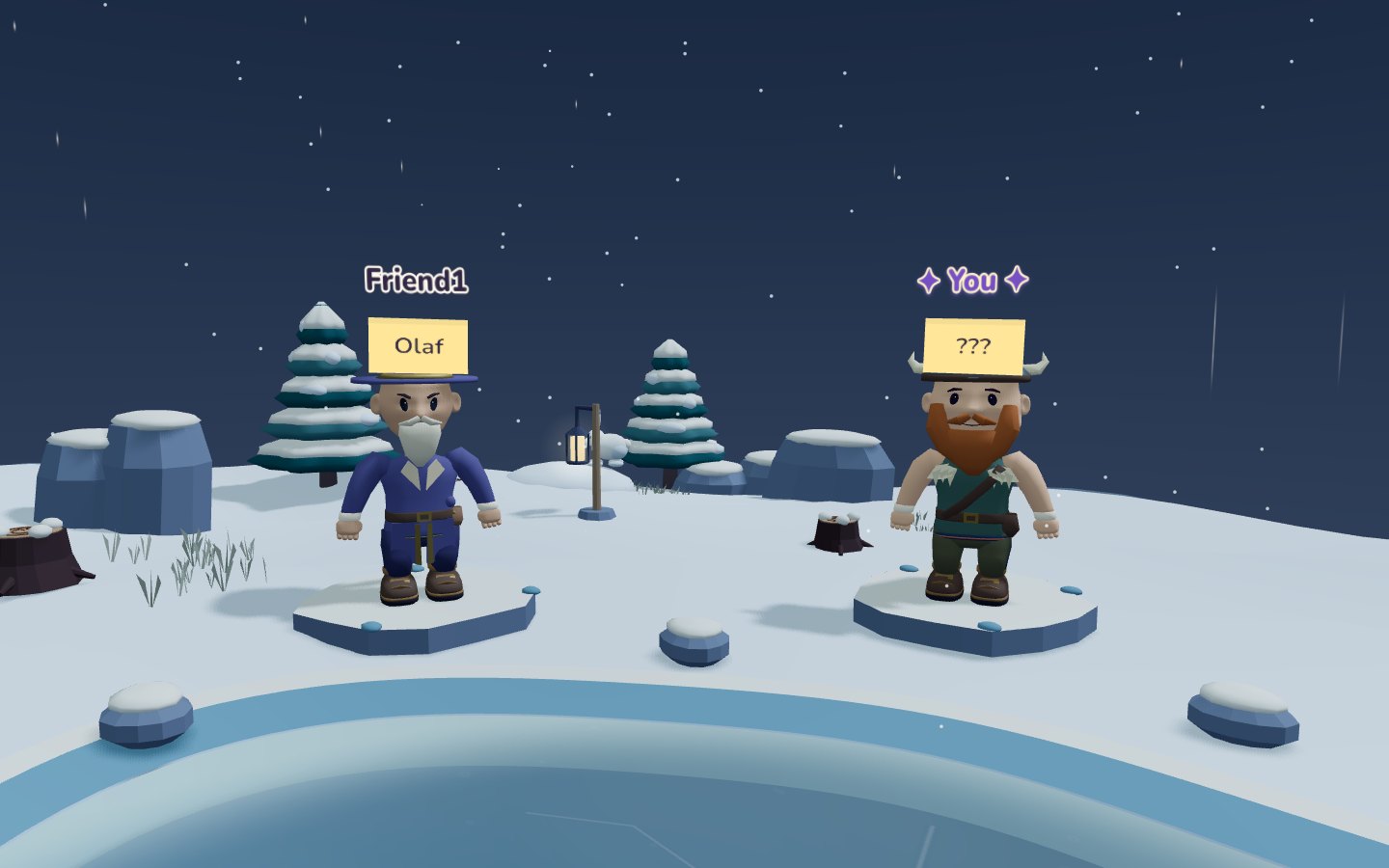
Dolphin, tiger and penguin make a useful contrast between an aquatic mammal, a striped land mammal and a bird that does not fly. Add giraffe or elephant if the group wants more choices. Habitat, movement and visible features give younger players clear routes to a solution.
Avoid a very similar set of species unless everyone enjoys that level of detail. Distinguishing three kinds of small bird can demand specialist knowledge that a casual animal round does not need. An easy theme should produce questions children can answer, not just short words adults can write.
Countries and cities
Japan, Brazil and Canada spread a country round across different regions. Players can ask about continents and broad geographical features. Clarify whether they are guessing a country before asking whether they are a capital; a category mistake can make every subsequent answer confusing.
Paris, Tokyo and New York work as city examples. Use capital status or widely known landmarks once the broad region is established. A city is not necessarily a national capital, and a country's most famous city is not automatically its capital. Keep answers factual and within the group's geographical knowledge.
Historical figures
Albert Einstein, Cleopatra and Leonardo da Vinci offer recognizable routes through science, ancient history and art. Ask about an era or field before narrowing to one achievement. Use names the group has encountered, especially when children or people from different educational backgrounds are playing.
Avoid a long chain of exact dates. A question such as “Am I associated with ancient Egypt?” can be much more useful than asking for a birth century everyone will need to look up. The game works best when respondents can answer from shared knowledge rather than searching during every turn.
Use the ten categories in an online game
PostitGuess Theme offers celebrities, superheroes, film and television, sport, video games, countries, cities, animals, historical figures and fictional characters. Choose one for a focused round. Chaos mixes categories, so players should first establish what kind of identity they have.
Manual lets your group supply its own names for friends. Keep entries within the game's 20-character limit and use a clear familiar form. These examples explain how to choose a good set; they do not create a custom automated category in the game. The online guide walks through the actual setup.
Check a set before handing it out
Ask yourself whether the recipient knows each name, whether at least two useful distinctions exist, and whether any ambiguity needs explaining. Mix easy and moderate choices rather than giving one player a much harder identity than everyone else.
If the group stalls even with familiar names, look at how to choose better questions. Usually a broad category and one distinctive feature create more progress than adding another dozen names to your pool.