Learn & play
Play Who Am I? with paper and a pen
A few pieces of paper are enough. The real preparation is choosing names everybody has a fair chance of recognizing.
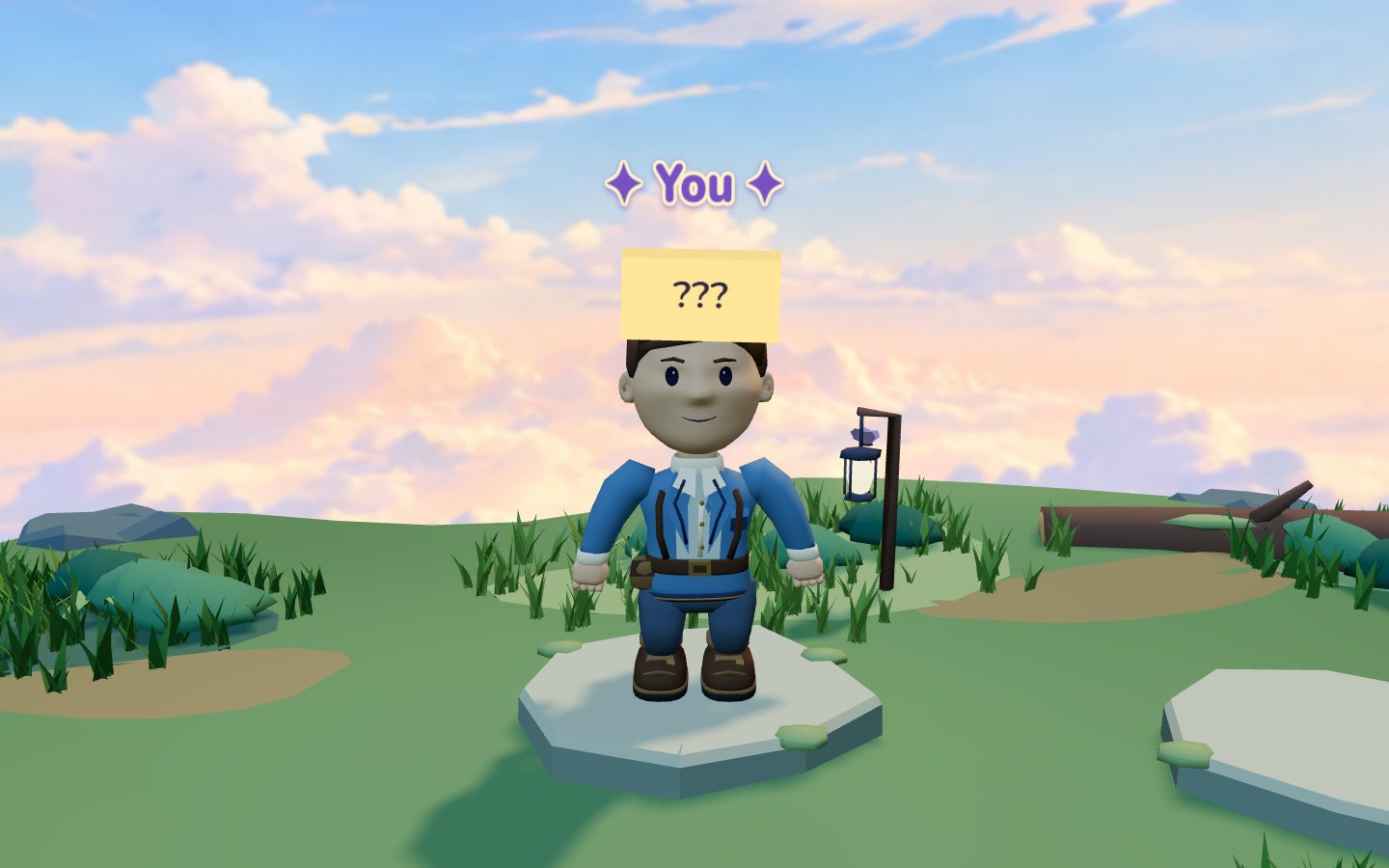
Gather simple, comfortable materials
You need names that everyone except their owner can read. Small pieces of paper, cards or adhesive notes work, with a pen thick enough to be readable across a table. A headband or a card holder avoids having to stick anything to skin. Do not use strong adhesive just to keep the game going.
Arrange seats so players can see one another. If the names sit above eye level, check that hair or a hat does not cover them. Avoid a mirror behind the group or a phone camera that lets a player see their own identity accidentally. You want a mystery, not a contest in pretending not to have looked.
Choose a theme for the people present
Start with what the group shares: familiar animals, well-known film characters, favourite games or recognizable celebrities. A grandparent and a young child may know different television programmes. Animal names often provide a common starting point because observable features give everybody something useful to ask.
For a multilingual group, agree on the recognizable name rather than insisting on one language's spelling. Some characters have different established local names. Write the version the recipient knows, and tell the respondents which version you mean before the name is handed over.
Use these small theme sets as a starting point. They are not a universal difficulty ranking. A name that seems obvious to you may be unfamiliar to someone who has never watched the film or followed that sport.
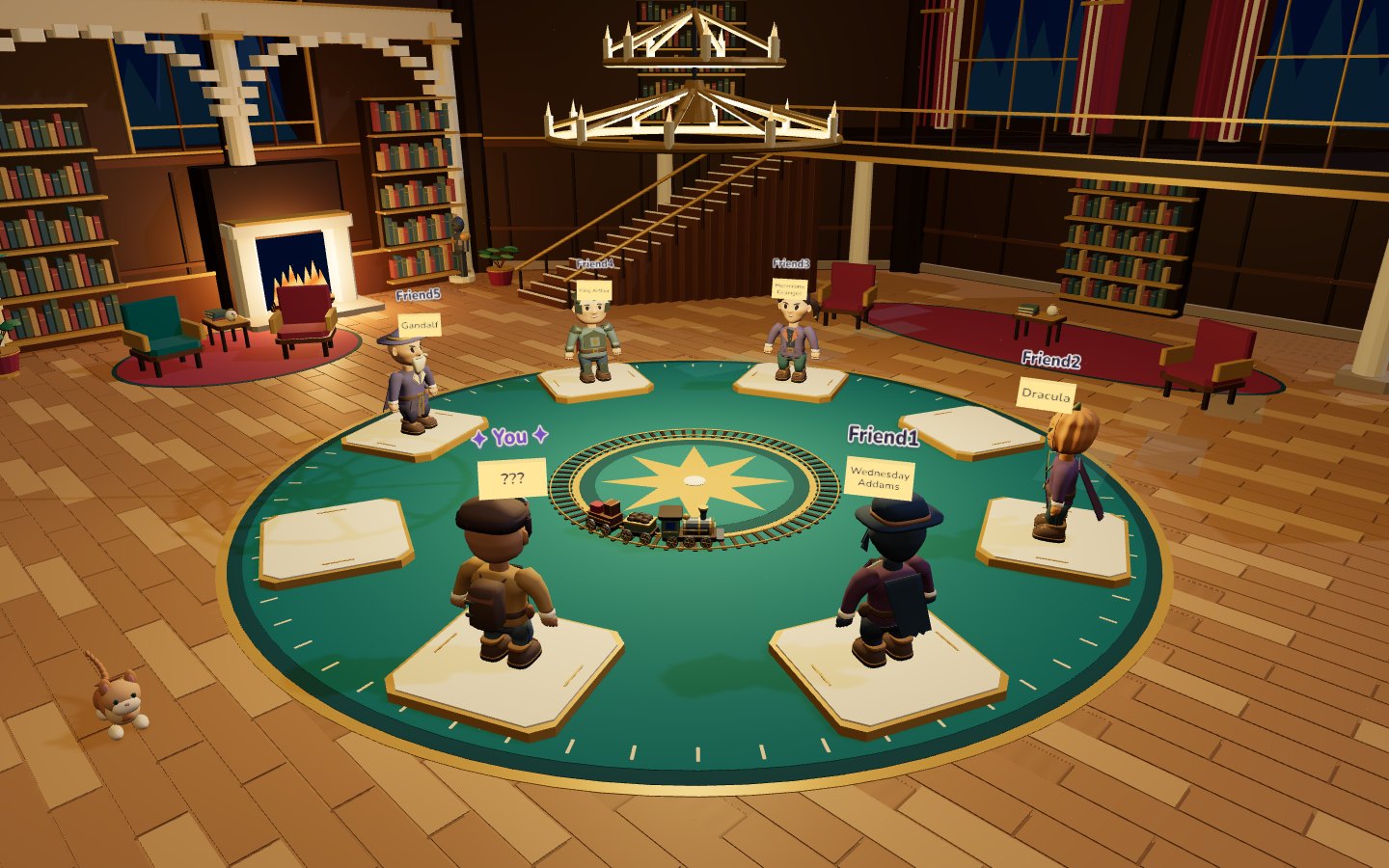
Assign identities without showing them
Each person writes a name for another player. Pass the card face down and have someone else position it so the owner cannot read it. If you want random assignment, prepare a small pool of agreed names and draw the cards without revealing them to the recipients.
Do not make one player the target of a deliberately impossible or embarrassing identity. Avoid naming someone at the table if the joke would feel personal. The aim is a solvable deduction puzzle, not a way to make friends uncomfortable.
Take a moment to check that every respondent can read the handwriting. Confusing “Mario” with another word can spoil several turns before anyone notices. If a card falls, let another player replace it; the owner should look away until it is secure.
Explain the turn rule before beginning
Tell everyone that questions must invite yes or no. “Am I an animal?” works; “Which animal am I?” does not. Choose whether a yes allows another question or whether everyone gets a single question in turn. With new players, the single-question format gives people a predictable chance to speak.
Decide what happens after an incorrect guess. It may count as that turn's question, or it may end a run of questions. Both are workable house rules when agreed in advance. Do not switch formats because one player is suddenly close to winning.
The party rules guide covers timers and team variations, but you can play a good first round without any of them. A simple sequence of turns is easier to follow than five special exceptions.
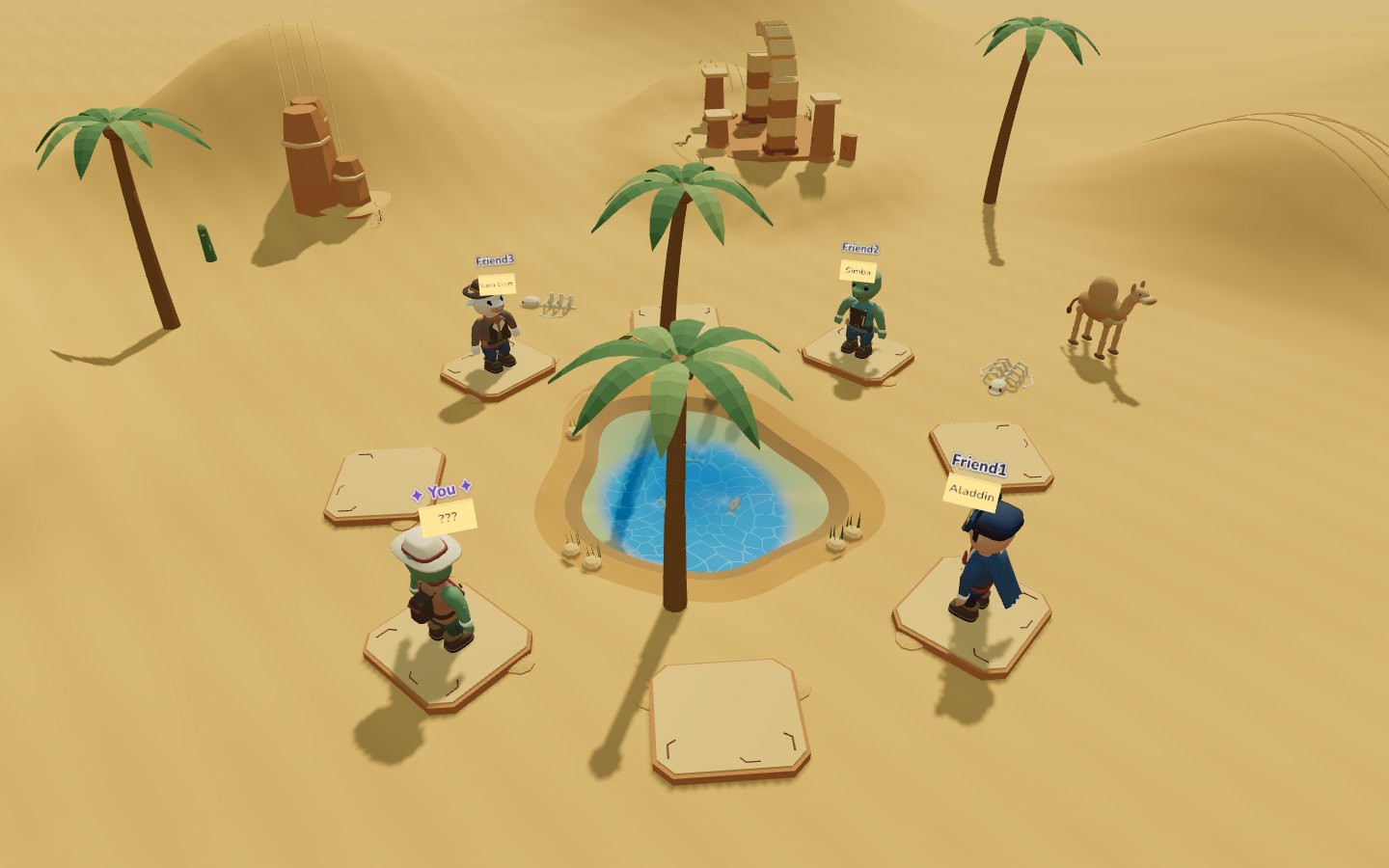
Answer carefully without giving away the name
Respond with the agreed yes or no rather than an improvised hint. If a question is unclear, ask the player to rephrase it. “Am I old?” might mean the character's age, the age of a film or how long the real person has been dead. Clarification prevents honest but contradictory answers.
Keep gestures and extra comments under control if you are playing strict deduction. Pointing at your own scar while someone is trying to find Harry Potter is effectively a clue. For a relaxed children's round you can allow hints, but announce that version from the start.
A short family round with animals
Suppose one child's name is giraffe. They ask whether they live mainly in water: no. Later they establish that they are a land animal, have four legs and are taller than a person. “Do I have a very long neck?” makes the final guess manageable without requiring vocabulary about species or habitats.
An adult with penguin has a different route: animal, bird, unable to fly, associated with cold places. Both rounds use understandable features. Neither relies on a joke that only the person who wrote the card knows.
If a child cannot read the other cards yet, an adult can help answer or draw a simple picture alongside the written name. The player still discovers their own identity by asking, while the materials become accessible to the whole group.
End the round fairly
Celebrate correct guesses and let finished players keep answering. You can play until all names are found, or stop at an agreed time and reveal the remaining identities together. If somebody genuinely does not know their name, explain it kindly and choose a more familiar one next round.
When friends join from elsewhere or you run out of paper, a browser game can handle the hidden names and turn display. You still supply the same conversation, whether you share one room or use a separate voice call. The useful part of either format is choosing fair identities and enjoying the reasoning together.