Learn & play
Who Am I? party rules that keep everyone involved
Agree on a few house rules before the first name goes up. You will spend more time guessing and less time debating whose turn it is.
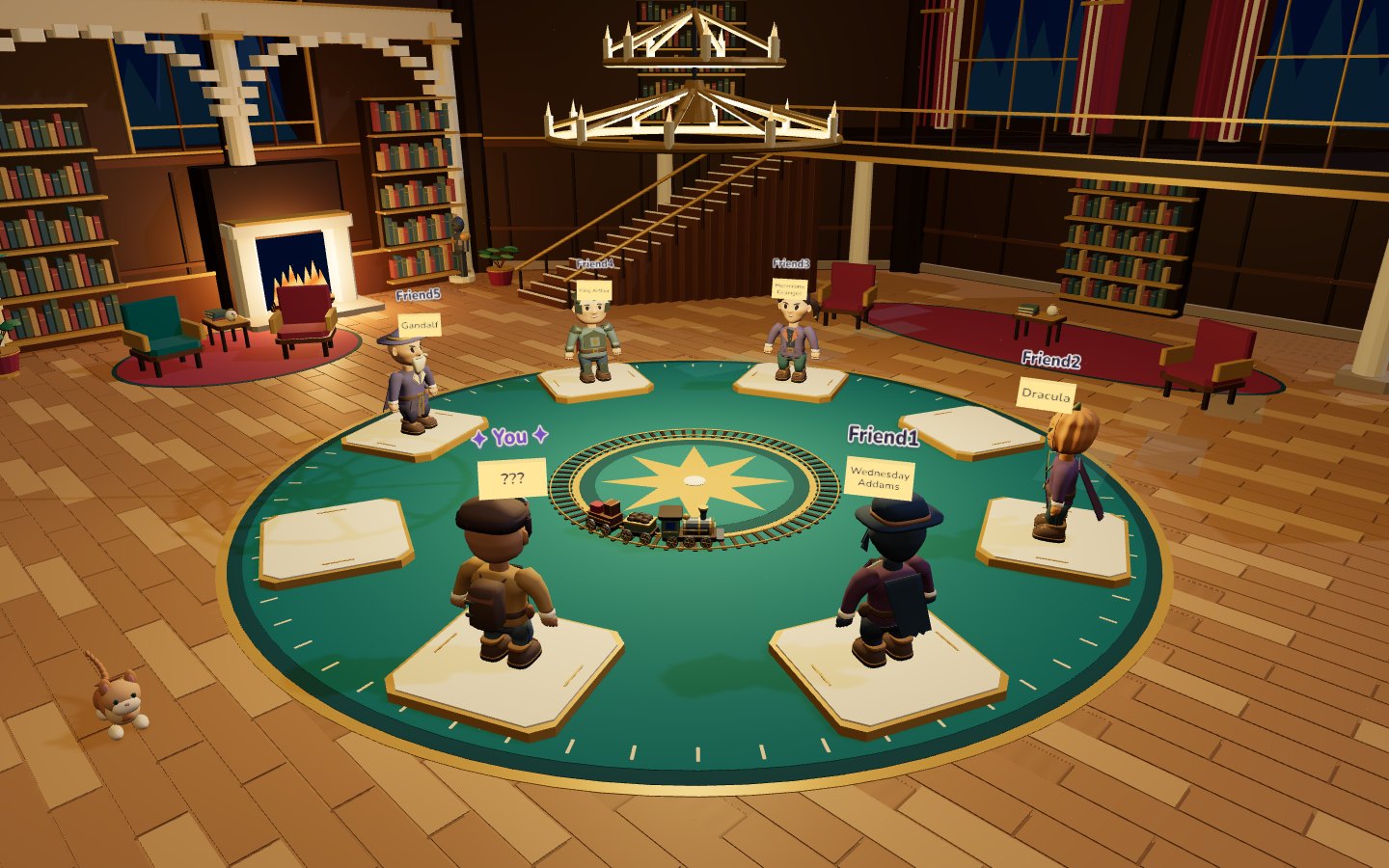
Agree on a rhythm, not a rulebook
Who Am I? has many household versions rather than one official rulebook everyone follows. That is useful for a party: you can choose a pace that suits your group. The important part is announcing the rules before identities are assigned, so no one discovers a new penalty just as they are about to guess.
Keep three decisions clear: what names are allowed, how turns end, and what happens when an answer is uncertain. Add more rules only if they solve an actual problem. A group of beginners benefits from predictable turns more than an elaborate scoring system.
Keep asking after yes, or one question each?
In the yes-until-no version, a player can continue after each yes and passes when the group answers no. It rewards broad questions that receive useful positive answers, but one player can occupy the conversation for a while. An incorrect direct guess can end the run if that is your agreed rule.
In the one-question version, every player asks once and the turn moves on regardless of the answer. It is especially good for a mixed-age group or a large table where everyone wants regular speaking time. A direct guess normally uses the same opportunity as a question.
Neither version is automatically more correct. Choose the one that gives your group a comfortable pace. Our basic guide explains the shared hidden-name mechanic that stays the same in both versions.
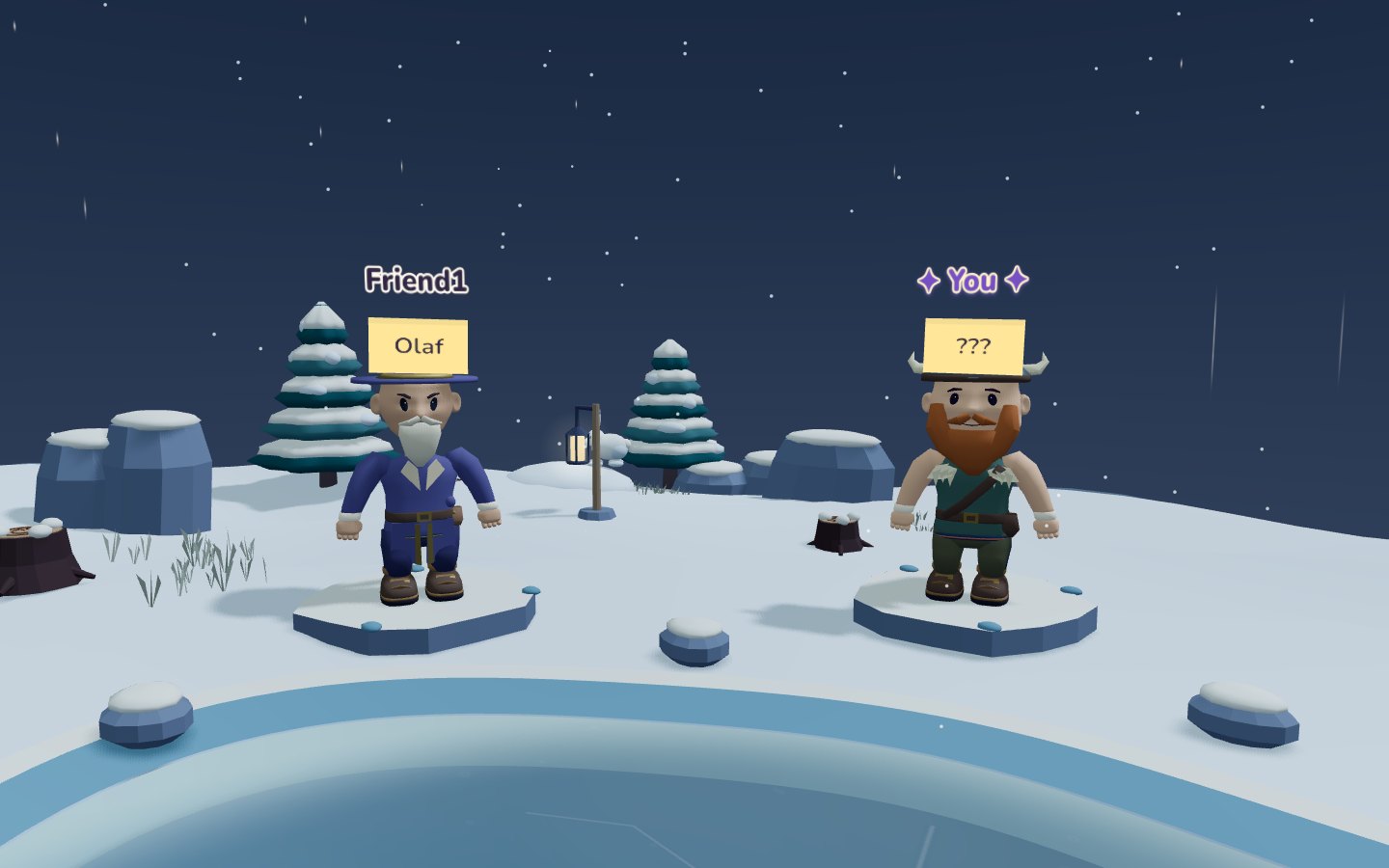
A timer for a short party break
For a physical game, you can agree on a short thinking time or a fixed length for the whole round. Use a visible timer and decide whether an unfinished player gets one last question. Avoid cutting someone off halfway through an answer when the group itself caused the delay.
Timing a round is different from turning the game into rapid clue shouting. The active player still asks yes-or-no questions. If you let friends describe the name freely, you have deliberately changed the mechanic; announce that as a separate variation.
These are suggestions for organizing an in-person party. They are not a list of extra configurable timer or scoring features in PostitGuess. When you use the browser game, follow its visible turn controls and on-screen timing instead of looking for a setting described only as a house rule here.
Team and cooperative variations
At a physical gathering, pairs can share one hidden identity and alternate asking questions. This helps a younger player take part with an adult. Make sure neither partner can see their own shared card, and keep discussions short so the other pairs are not left waiting.
A cooperative version has no individual winner: the group tries to reveal every identity before an agreed stopping time. Finished players keep answering, which naturally gives them a role. You can count solved identities together without ranking people who have different levels of familiarity with the names.
Team scoring is a paper-game house variation, not a built-in online team mode. For the browser game's actual modes, consult the remote setup guide rather than assuming every party variation has a corresponding button.
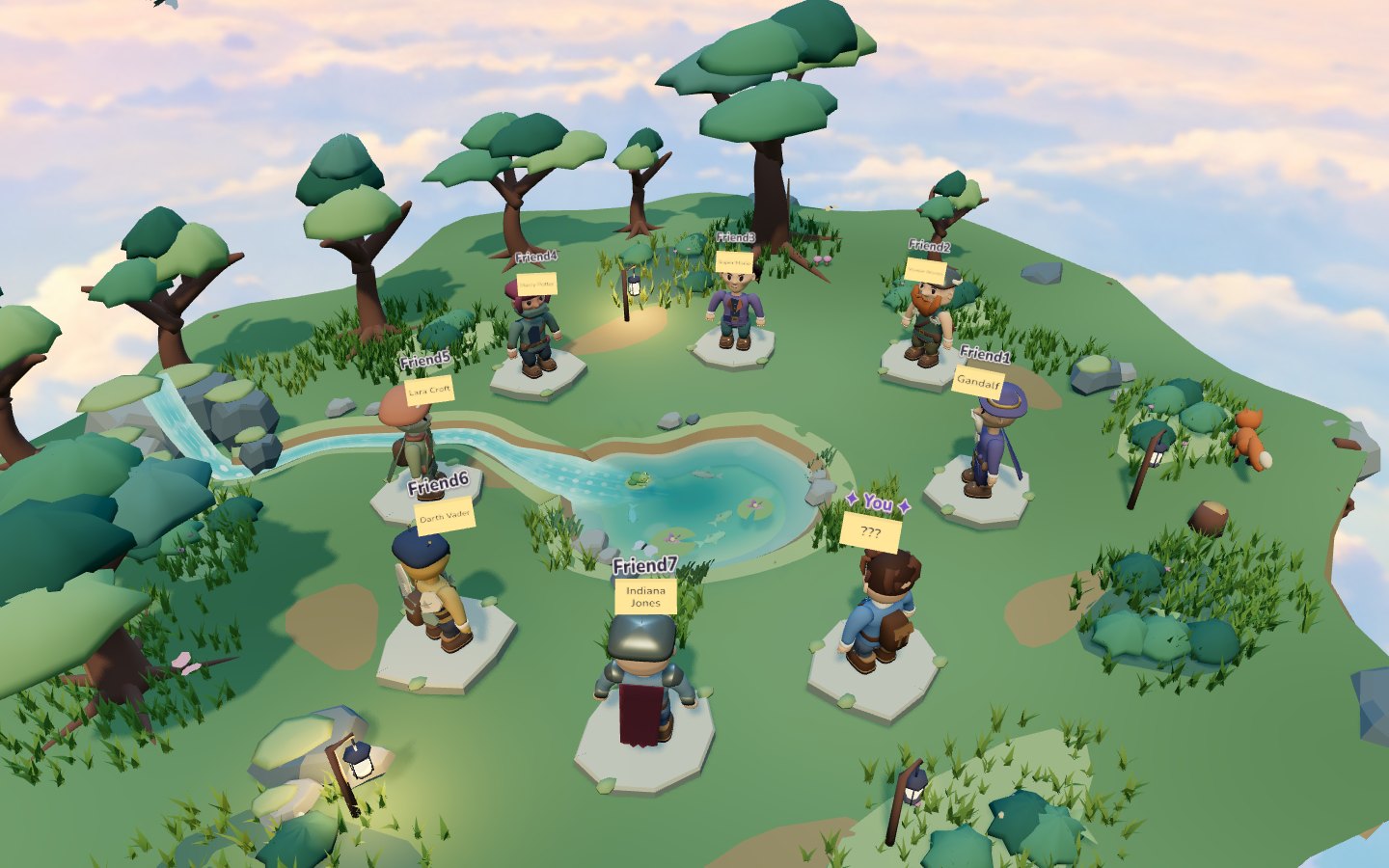
Handle unclear or disputed answers
Questions such as “Am I old?” or “Am I bad?” need clarification. Ask which meaning the player intends, then answer once. A fictional villain can also help a hero in one story; “Am I generally presented as a villain?” is easier to settle than arguing about every scene.
Allow “we are not sure” as a pause rather than forcing an invented yes or no. Rephrase the question into something respondents know. If the group made an honest mistake, correct the record and let the player reconsider. Do not charge another turn for fixing your own misleading answer.
Mixed ages and uneven knowledge
Choose identities the recipients know, even if the adults would prefer obscure names. A familiar animal for a child and a recognizable fictional character for an adult can coexist if the round allows those categories. Explain that category mix so nobody assumes every identity is human.
Agree in advance whether hints are allowed after a long stall. A small category hint may be enough. Giving away the first letters can turn deduction into a spelling exercise, so reserve that for a group that specifically wants a gentler ending.
What happens when somebody finishes?
Celebrate the first discovery, but let that player stay in the circle and answer others. A person who guesses early should not have to leave the table while the most difficult identity remains unsolved. Continue until everyone finishes or the agreed round time ends.
For the next round, change the theme or ask players to write for a different recipient. Avoid repeatedly assigning one person names outside their knowledge. Good name choices do more for fairness than increasingly complicated penalties.
Keep the party welcoming
No drinking penalty, embarrassing challenge or personal insult is required. The guessing game already supplies suspense and funny misunderstandings. If a proposed identity makes someone uncomfortable, replace it without turning that decision into another competition.
For remote play, have everyone use the same voice conversation and one agreed respondent at a time. Keep the rule explanation brief, demonstrate one clear question, and start. You can adjust the house rhythm between rounds once the group knows what it enjoys.