Learn & play
Who Am I? strategy: make every answer count
You do not need encyclopedic knowledge to play well. You need to remember what you already know and choose questions that separate the possibilities.
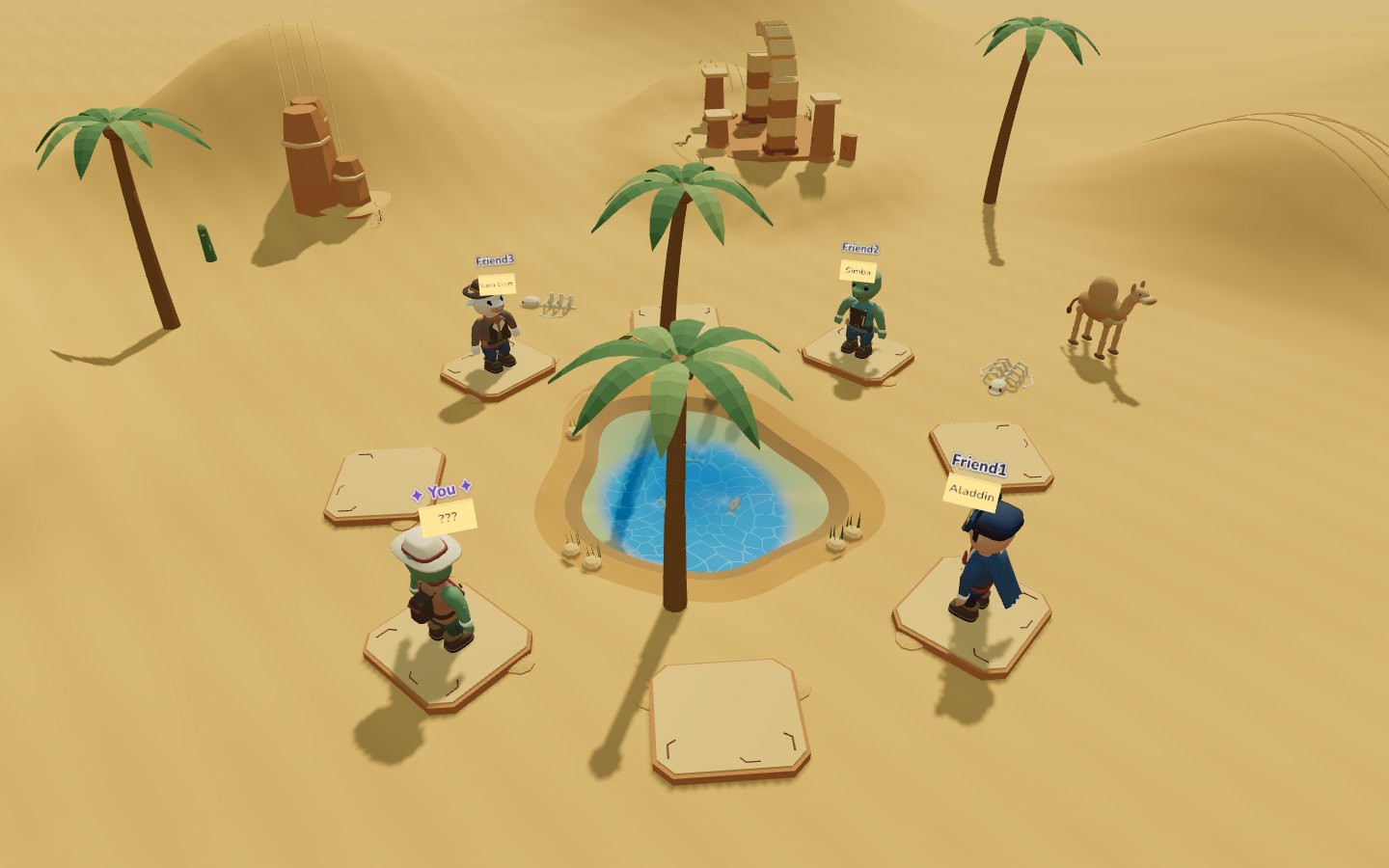
Choose questions that split the remaining options
Good Who Am I? strategy is less about knowing every celebrity and more about making the next question useful. If you might be a musician, athlete or fictional character, asking about a broad category can remove a large part of the field. Guessing a single singer usually removes only one possibility when the answer is no.
You do not need to calculate probabilities. Think of the identities that are still plausible and ask what separates them. A roughly balanced split is helpful when you can find one, but a clear answer matters more than a mathematically perfect question nobody understands.
Build an answer trail
Keep a small mental record with three parts: established facts, excluded possibilities and your next test. For example: real person; known for sport; not a team sport. Your next question might concern a racket or swimming, rather than asking about a football club you have already effectively ruled out.
Writing a few words on a separate scrap of paper can help in a long physical game. Keep that sheet private and do not write your hidden name on it, of course. In a browser game, the guesses history records attempts; it is not a transcript of every spoken question. You still need to remember the group's answers yourself.
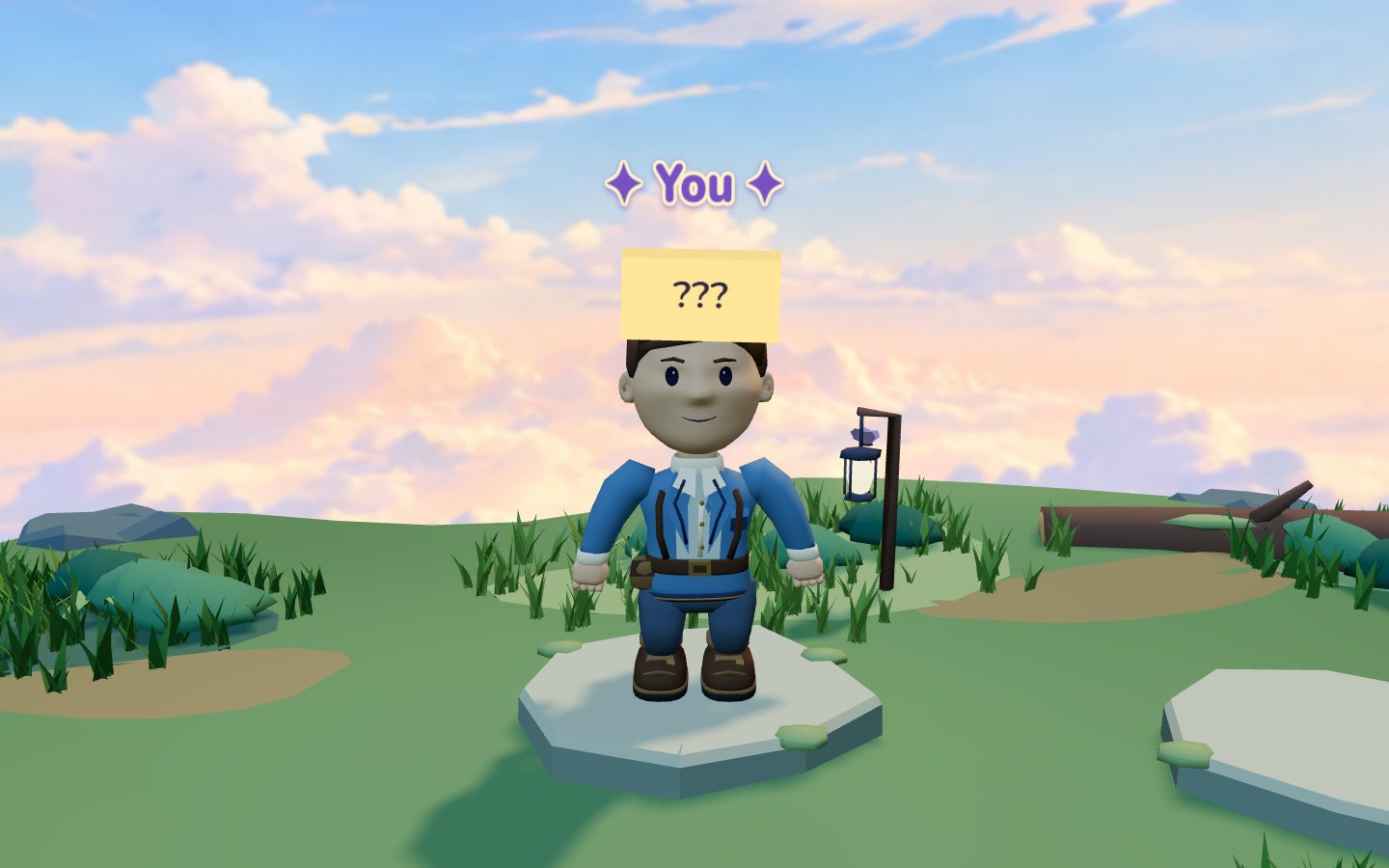
Adapt to the chosen mode
In a single-theme round, use the information the theme gives you for free. If every name is an animal, starting with “Am I an animal?” spends a question without reducing uncertainty. Habitat, size and movement offer more useful first distinctions.
In Chaos or any mixed-category paper game, category questions become valuable again. A no to “Am I a real person?” does not automatically mean you are fictional: you might be a country or an animal. Ask what kind of identity you have before narrowing nationality, career or fictional universe.
Manual names can reflect your group's shared interests, but do not assume your friend picked your favourite character. Treat that as one possible clue, not a fact. Otherwise you may spend half the game trying to prove a hunch that was never supported by an answer.
Use one test per question
“Am I a British singer from the 1980s?” sounds efficient, but a no leaves three separate uncertainties. Ask whether you are known for music first, then nationality or era if either distinction is useful. Each answer should be something you can confidently carry forward.
Avoid negative wording when it makes the answer hard to remember. “Am I not fictional?” is easier to mishear than “Am I real?” If a respondent looks unsure, pause. A rephrased question now is cheaper than building a theory on an answer they did not mean.
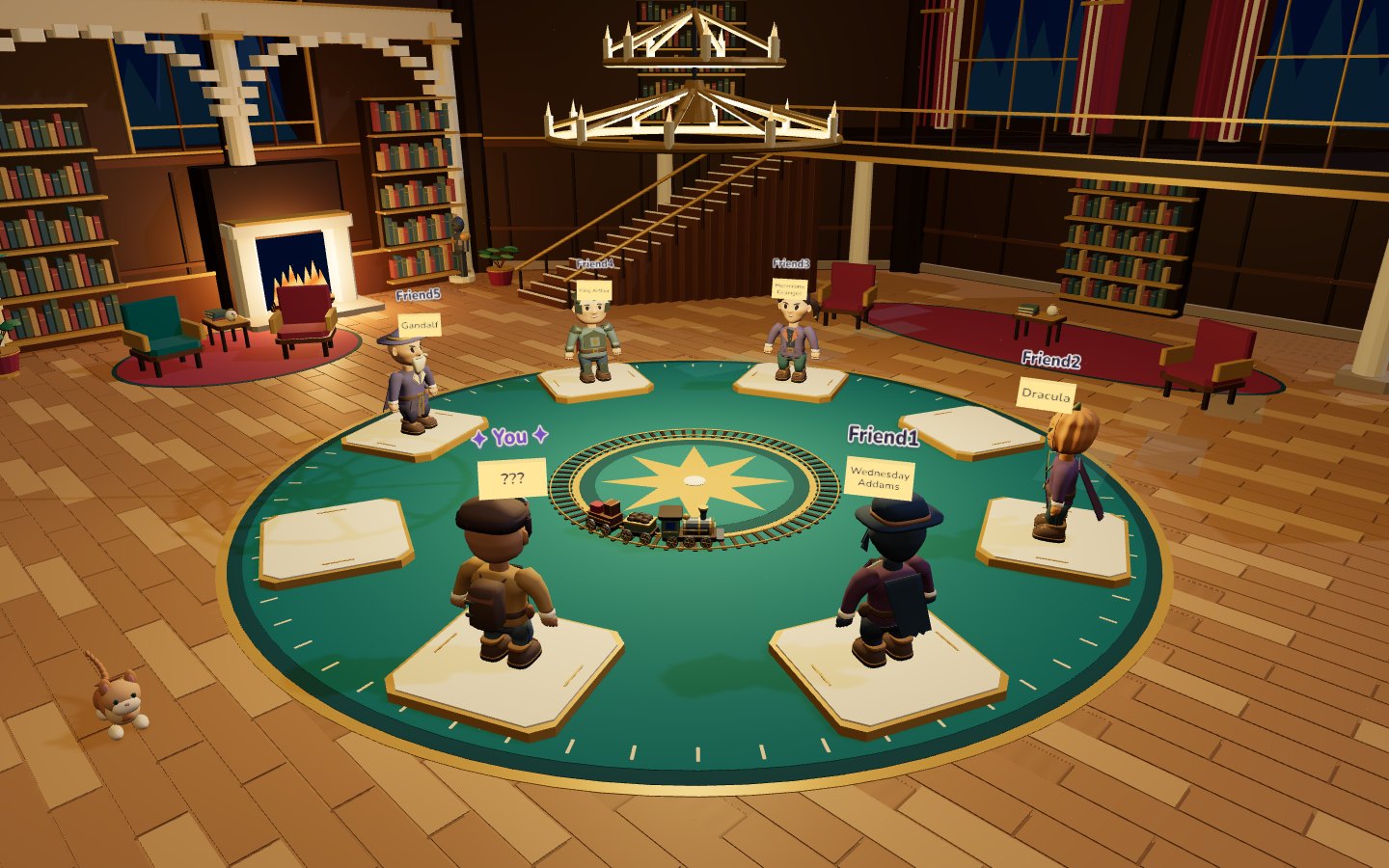
Know when to guess
An exact guess is worthwhile when a candidate explains several clues and its closest alternatives have been separated. Suppose you know you are a fictional detective who lives in London. A question about a companion named Watson makes a Sherlock Holmes guess much stronger than a question about wearing a coat.
You do not need total certainty. A party game should keep moving. Agree in advance what an incorrect guess costs under your house rules, then make a reasonable attempt when your evidence is strong enough. In PostitGuess, enter guesses through the game control and use the explicit turn control to pass; spoken answers do not operate the interface for you.
Recover when your theory stops working
If every candidate conflicts with an answer, go back to the last clear fact. Perhaps “real” was understood as “played by a real actor” rather than “a person who actually exists.” Clarify that wording with the group before asking increasingly narrow questions.
Do not accuse everyone of giving bad answers. Many disagreements come from different versions of a character or imprecise questions. Establish the familiar version, correct the misunderstanding openly, and continue. If nobody knows the name well enough to answer, changing the identity is fairer than pretending the puzzle is solvable.
Common habits that waste turns
- Repeating the same fact with different wording instead of testing a new distinction.
- Asking about tiny costume details before you know the character's world.
- Treating laughter, facial expressions or silence as guaranteed clues.
- Ignoring a no because your favourite answer feels too promising to abandon.
The question guide provides useful replacements for these habits. Pick one clear question, listen to the answer and let it change your plan. There is no need to memorize a script of twenty prompts.
Keep the cleverness friendly
An efficient player also gives dependable answers when someone else is guessing. Let the group settle one response, avoid accidentally saying part of the name, and allow beginners a moment to think. Competitive deduction is more fun when everyone has access to the same understandable facts.
Use short-turn house rules if one confident player dominates the conversation. The best result is not merely solving your own identity quickly; it is helping the whole table reach those satisfying moments when an unlikely question suddenly reveals the answer.