Learn & play
Who Am I? Game Video — See How It Works Online
See the classic forehead guessing game in action. The trailer follows a multiplayer round, explains hidden names and questions, and shows how friends can play online.
The trailer uses English on-screen text. The guide below explains the same gameplay in your selected language.
What the trailer shows
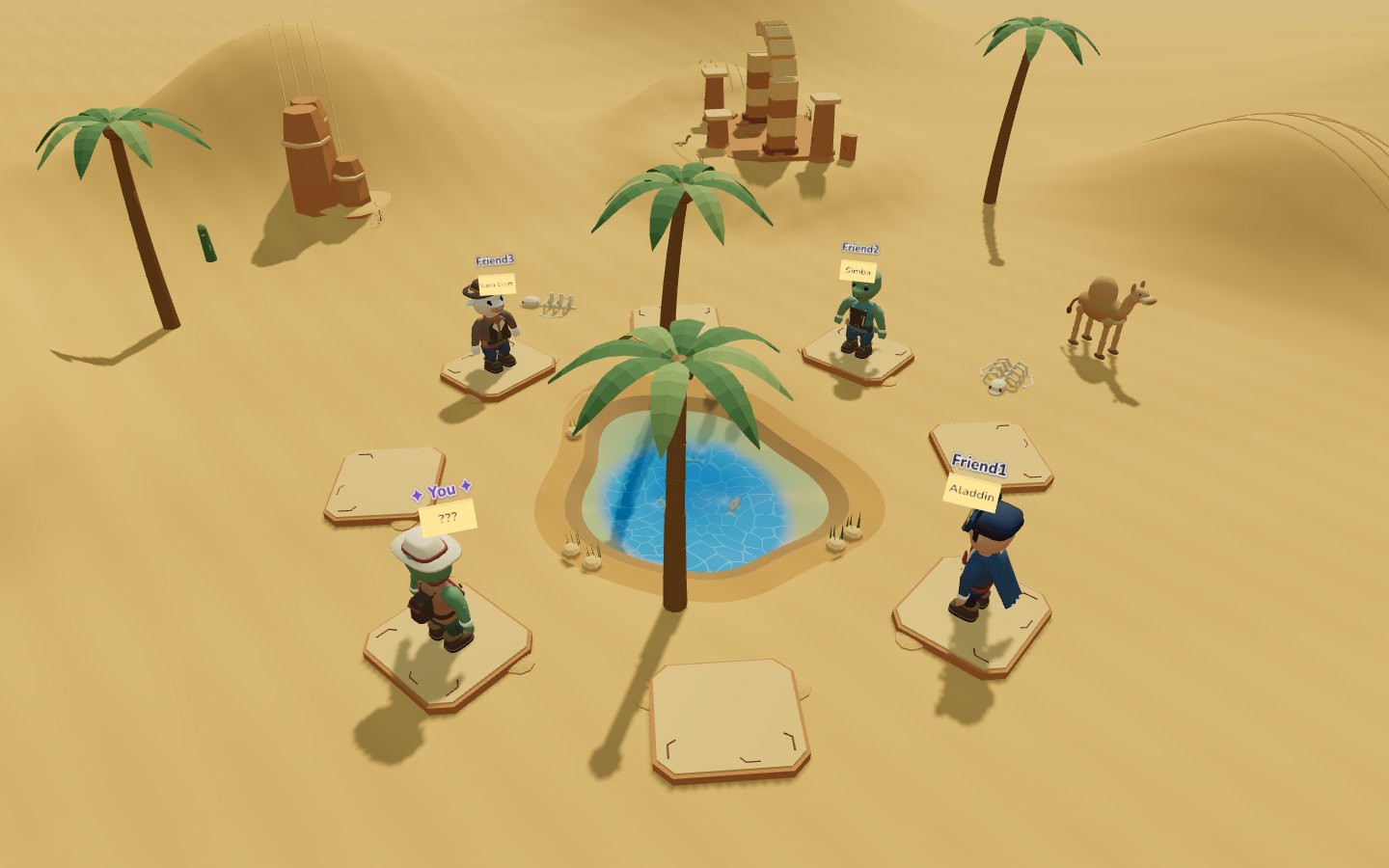
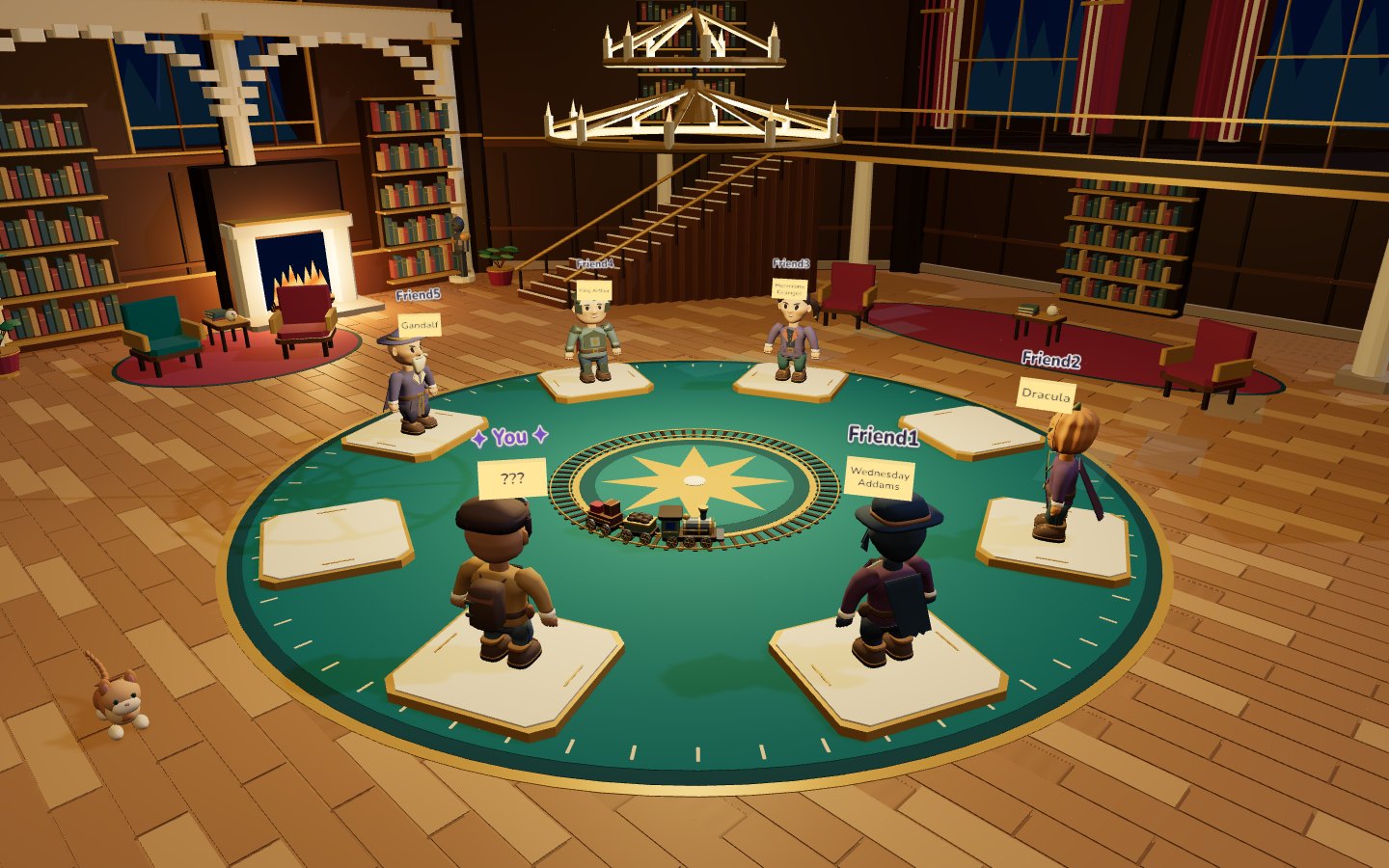
The trailer opens on a real eight-player round, then shows the lobby where friends prepare a name for another player. The receiving player does not see that choice. Once the round begins, the name appears on a virtual forehead note from everyone else's point of view. The player sees only a mystery mark where their own answer would be. That difference in perspective is the heart of the game: the group shares a secret that one person must uncover.
Next, the player asks short questions and listens to the group's answers. Broad clues narrow the possibilities before the player tries a specific name. When the guess is right, the name is revealed and the game marks the successful player. The final scenes show automatic name modes, several maps and a group finishing a round together. The video is only 25 seconds, so it gives a quick visual tour rather than a full rules lesson. It has English overlays; the explanations on this page describe the same sequence in your language.
How the classic forehead guessing game works
Who Am I? needs a group, a hidden identity for each player and a way to ask questions. In the traditional paper version, someone writes a familiar person or character on a card and places it on another player's forehead without letting them read it. Everyone else can see the name. The player asks questions that can be answered with yes or no, using each answer to rule out possibilities. They continue until they can make a confident guess.
Good names are recognizable to the people playing, but not so obvious that the answer is immediate. A shared category helps: choose actors, animals, book characters or another subject your whole group knows. Agree on whether guesses happen at any time or only after a certain number of clues. For the complete setup and an example round, read the full guide to the rules.
Playing with friends online
PostitGuess brings the same hidden-name idea into a browser multiplayer room for 2–8 players. Friends join the same game, choose who they are playing as and see the virtual notes above the other avatars. The note attached to your own character stays hidden from you. You can speak together through a separate voice call or sit in the same room; PostitGuess does not provide built-in voice chat.
The game tracks whose turn it is, submitted guesses and the round's results, so the group can focus on clues and conversation. No paper slips need to be prepared when the game assigns names automatically. If a player chooses the name for someone else, the receiving player still cannot see it. Keep guesses out of public chat until the answer has been solved, and avoid sharing a screen that gives away another player's note.
Manual, Theme and Chaos
Manual keeps the familiar social preparation: players choose the names their friends will guess. It works well for shared jokes and a carefully chosen set of identities. Theme assigns names from one selected category, giving everyone a common starting point. Chaos mixes categories for a less predictable round, where early questions should establish what kind of identity is on the note.
The three modes change how names are prepared, while the central guessing loop stays the same: ask, listen, narrow the options and try an answer. Maps add a setting for the avatars but do not change the rules. If you need help choosing a category, see Who Am I? name and theme ideas. For more advice about useful clue sequences, visit the question guide.
Why it makes a good party game
The rules are easy to explain, but every round creates its own conversation. A question can make the whole group laugh, and a seemingly small clue can turn a vague identity into an obvious answer. Players take part even when they are not guessing: they listen, answer clearly and watch the mystery unfold. Different ages and levels of pop-culture knowledge can still play together when the group chooses fair names.
Online play keeps friends together when they are in different places, while the browser room handles the notes and turn information. The trailer shows the visual idea quickly; the actual fun comes from the people answering your questions. Ready to try it? See how to start an online game with friends, or go straight to PostitGuess and create a room for your group.